Kaleiçi & Hadrian’s Gate
Walk through Roman and Ottoman heritage, then follow the lanes towards the old harbour.
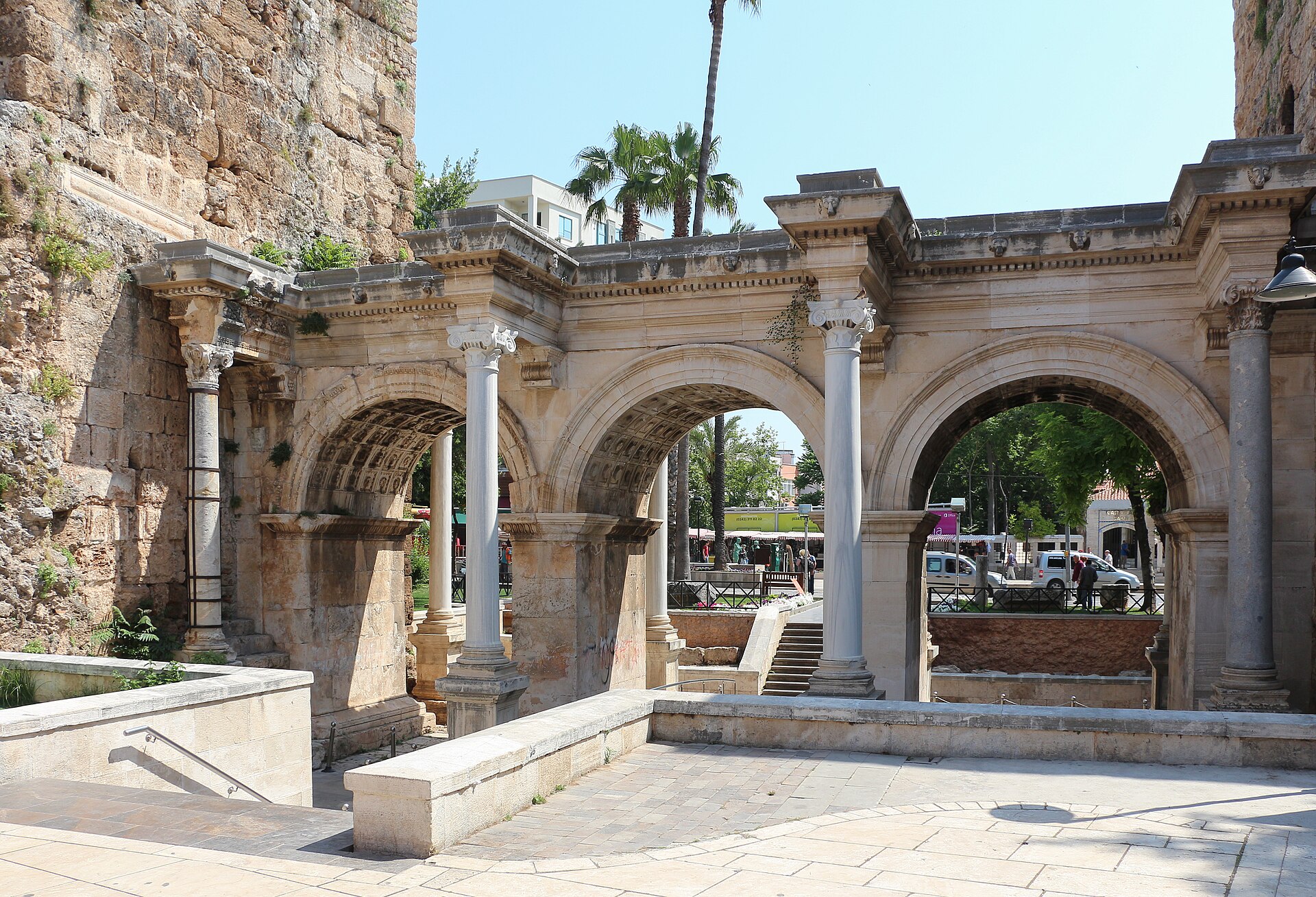
Begin by the sea, explore the streets of Kaleiçi and let the Taurus Mountains change the pace. Antalya turns a sporting journey into a Mediterranean experience, with time for heritage, local flavours and the coast between training sessions.
Plan a journey here ↗Antalya’s story is written across the shores of ancient Pamphylia and Lycia. Roman streets, theatres and harbour towns survive beside later Byzantine, Seljuk and Ottoman architecture. Kaleiçi brings these layers close together: Hadrian’s Gate opens onto old neighbourhoods, while the Yivli Minaret marks the city’s Seljuk heritage. Beyond the centre, Perge, Aspendos and the Lycian coast turn a free day into a journey through antiquity.
The coast and the Taurus highlands give Antalya two complementary identities. In Kaleiçi, courtyard houses and narrow lanes invite an evening walk; inland, Yörük traditions connect food, crafts and pastoral life. Citrus orchards and Mediterranean markets add a living texture to the archaeological landscape. A camp here can include a historic neighbourhood, a village visit and a local meal without losing its sporting focus.
Discover the official tourism guide ↗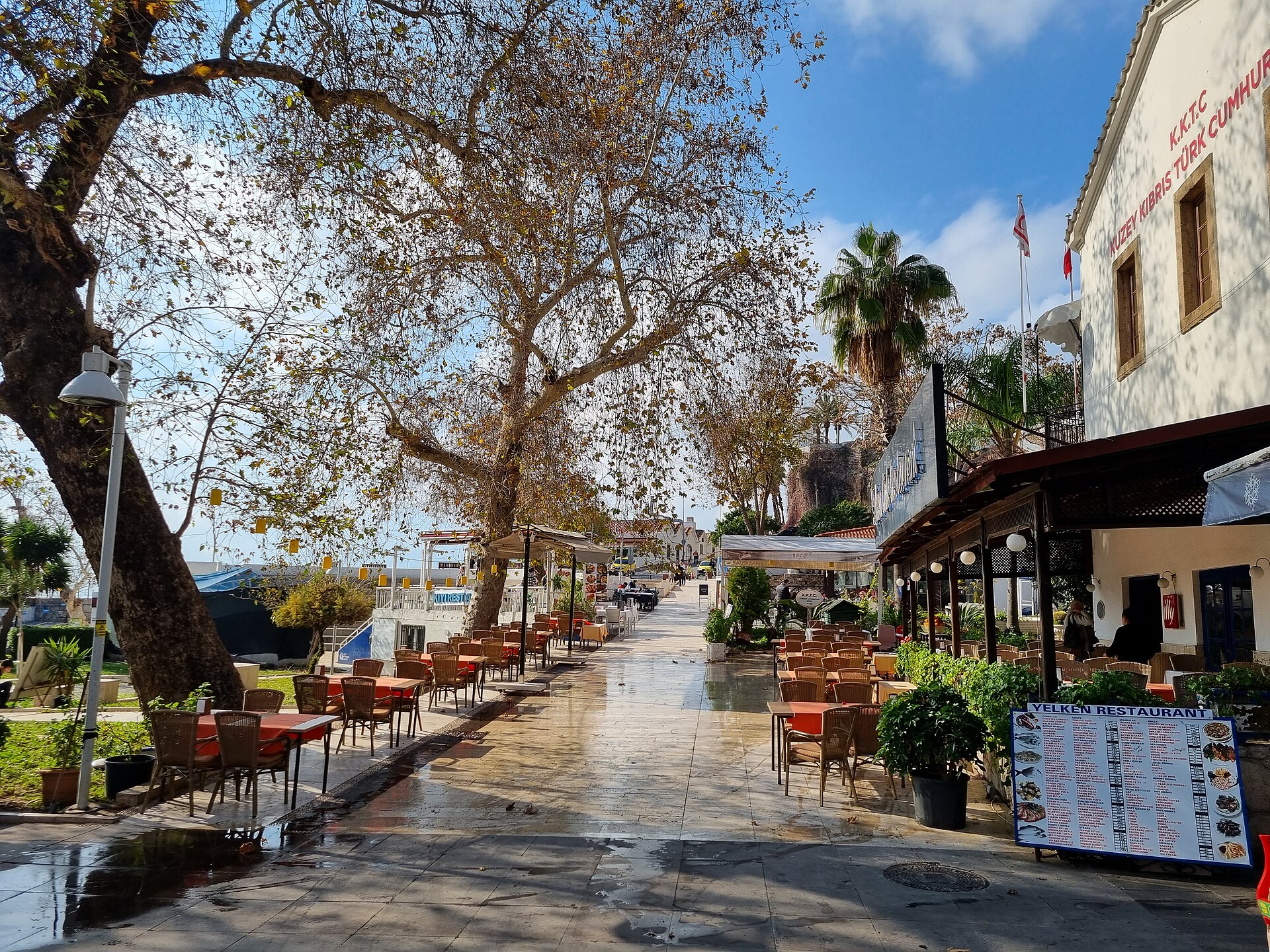
Build a journey with time for the destination.
Walk through Roman and Ottoman heritage, then follow the lanes towards the old harbour.
Discover colonnaded streets, ancient sporting spaces and the monumental theatre of the Pamphylian landscape.
Ancient coastal settlements combine archaeological exploration with the scenery of pine forests and Mediterranean bays.
A mountain-top ancient city where the ruins and the surrounding landscape reward a carefully planned walking visit.
See Lycian rock tombs and Roman theatre remains; add the Saint Nicholas heritage to a cultural day.
Explore a distinctive coastal setting of island views, historic stonework and the castle above Kaleköy.
Discover the dishes and traditions that give the destination its own character.
Beans with a sesame-based tarator dressing: the local interpretation is a dish in its own right.
Meat, vegetables and regional herbs connect the city’s table to the pastoral traditions of the Taurus Mountains.
Fresh citrus and carefully prepared peel preserves bring the flavour of the surrounding orchards to breakfast.
A distinctive regional ice cream associated with goat’s milk and an unmistakable toasted flavour.
The coast and established hospitality offer a practical base for football camps, golf, swimming and indoor sports when suitable facilities are reserved. Mountain routes expand the possibilities for cycling and outdoor programs.
A strong accommodation base makes multi-service camps practical. Football, basketball, volleyball and other indoor programs should be matched to verified pitches or halls, training slots, meal plans and team transport.
Belek’s golf setting is a clear strength. Pool-based swimming can be paired with coastal stays; open-water, sailing and diving programs depend on suitable operators, sea conditions and seasonal access.
Coastal and Taurus routes offer different gradients and landscapes. Spring and autumn are useful starting points for longer outdoor sessions; road support, traffic and altitude should shape the chosen route.
Summer heat makes session timing important. Winter is mild at the coastal station but wetter; reserve a weather alternative. A city average does not describe the colder Taurus highlands.
Anatolia’s planning assessment, based on the destination’s geography, climate and documented facilities. Venue availability and suitability are confirmed for each request.
A pronounced Mediterranean pattern: mild, wet winters and hot, very dry summers. For outdoor camps, spring and autumn offer a useful balance; the July–August heat and the December–January rainfall need deliberate scheduling.
| Month | Average °C | Mean minimum °C | Mean maximum °C | Precipitation mm | Wet days |
|---|---|---|---|---|---|
| January | 10.1 | 6.1 | 15.0 | 225.5 | 12.36 |
| February | 10.7 | 6.4 | 15.6 | 148.1 | 10.35 |
| March | 12.9 | 8.1 | 18.0 | 90.8 | 8.53 |
| April | 16.4 | 11.3 | 21.4 | 48.5 | 6.44 |
| May | 20.7 | 15.3 | 25.7 | 33.3 | 5.18 |
| June | 25.4 | 19.7 | 30.8 | 10.7 | 2.53 |
| July | 28.6 | 22.9 | 34.2 | 4.7 | 0.54 |
| August | 28.5 | 22.9 | 34.1 | 4.3 | 0.55 |
| September | 25.3 | 19.6 | 31.2 | 16.7 | 1.71 |
| October | 20.6 | 15.4 | 26.6 | 70.6 | 5.38 |
| November | 15.6 | 10.9 | 21.4 | 127.7 | 7.48 |
| December | 11.7 | 7.7 | 16.7 | 250.9 | 11.91 |
Long-term observed averages, not a forecast. Precipitation includes rain and snow water equivalent; wet days are monthly averages. Mountain and coastal microclimates can differ from this station.
View the official MGM statistics ↗Share your sport, dates and service requirements. We will prepare a program around your group.
Tourism information is rewritten in original language using official references. Population figures refer to 2025; climate values show the stated measurement period. Checked on 6 October 2026.
Photos are used under their stated commercial-use licences. The photo licences apply to the photographs.