Lake Abant
A forest-framed lake with changing seasonal scenery offers a memorable setting for a quiet excursion.
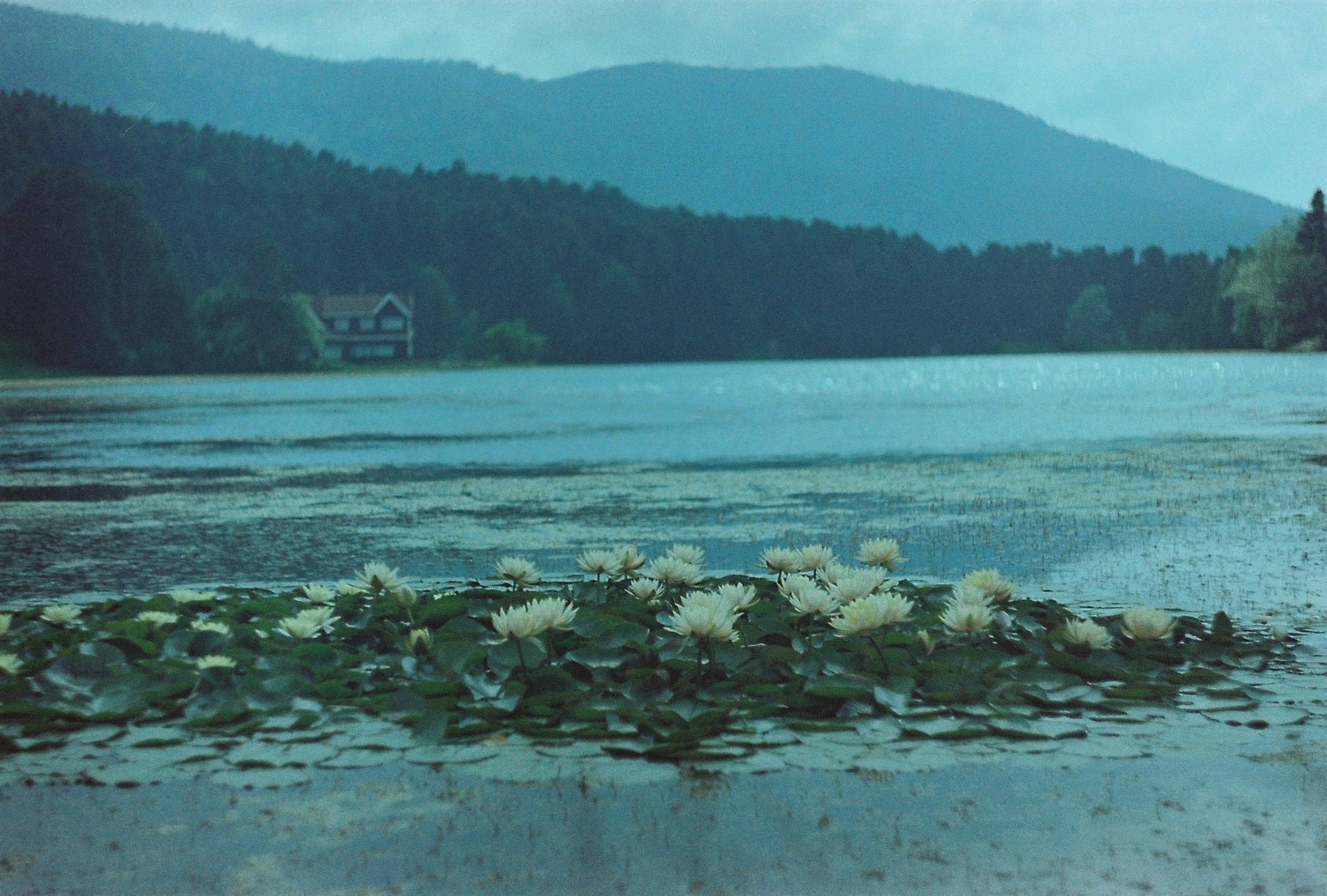
Abant and Yedigöller bring water, woodland and changing seasonal colours into the same view. Add plateau air and local flavours, and Bolu becomes a rewarding setting for a camp with meaningful time away from the training ground.
Plan a journey here ↗Bolu belongs to the historic geography of Bithynia, later shaped by Roman, Byzantine and Ottoman life. The province’s story is especially vivid in Göynük and Mudurnu, where traditional houses and early Ottoman buildings preserve the scale of older Anatolian towns. Museum collections and the rock-cut homes of Seben add further layers to a cultural visit.
Mengen’s cooking tradition, the living Ahi heritage of Mudurnu and the stories of Köroğlu give Bolu a character beyond its forests. Town streets, village tables and craft traditions make recovery days rewarding. The appeal is the combination: focused training, quiet natural surroundings and a local culture that can still be experienced at a human pace.
Discover the official tourism guide ↗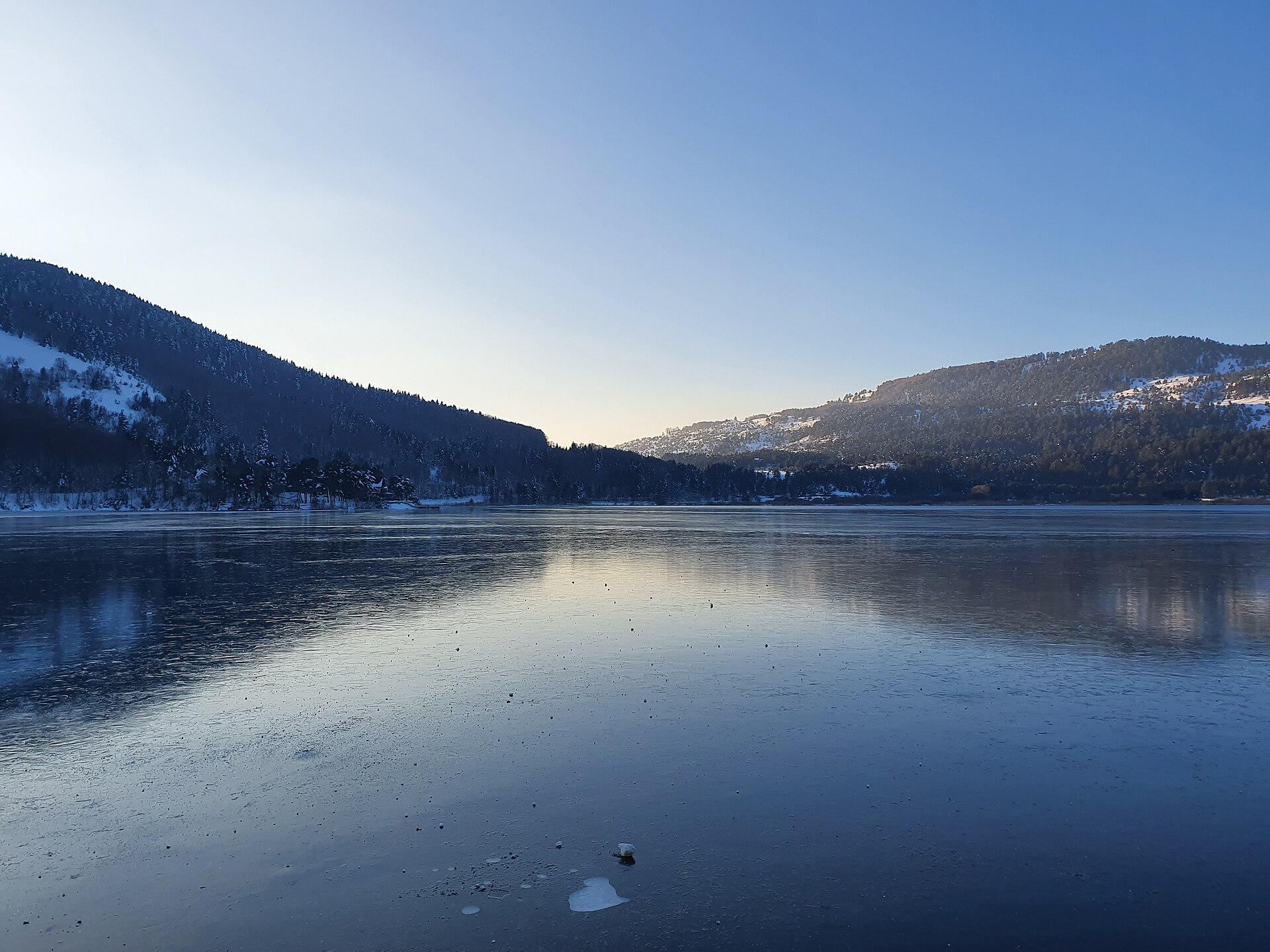
Build a journey with time for the destination.
A forest-framed lake with changing seasonal scenery offers a memorable setting for a quiet excursion.
A sequence of lakes and mixed woodland creates a landscape especially valued for walking and photography.
The iconic lakeside house and surrounding woods make an accessible nature-focused stop.
Traditional houses, historic streets and the Ottoman townscape invite a cultural walk beyond the lakes.
Discover preserved domestic architecture and the town’s continuing Ahi traditions and local community life.
Rock-cut dwellings add a distinctive historical and geological stop to a wider provincial itinerary.
Discover the dishes and traditions that give the destination its own character.
A regional pilaf with ingredients such as meat, mushrooms and walnuts reflects the district’s culinary reputation.
Aubergine filled with a meat-and-vegetable mixture brings the lake region’s name to the table.
Two different soup traditions offer a warming introduction to the local kitchen, especially in colder weather.
Noodles, dried curd cheese and walnuts combine in a flavour closely associated with Bolu’s regional table.
Forest and plateau surroundings suit outdoor conditioning, walking and selected cycling routes. Team camps can be planned around suitable hotel and pitch combinations; winter programs require confirmed operating venues.
A forest and plateau setting can support concentrated team preparation. Build the program around a verified hotel–pitch or hotel–hall pairing, with suitable meals, meeting areas and recovery facilities.
Selected forest and plateau routes offer varied gradients and a cooler summer setting than the southern coastal station. Trail access, muddy surfaces, traffic and support points should be checked before group sessions.
Winter creates potential for snow-based programs where venues are operating. Confirm current facilities and access rather than assuming availability; indoor alternatives keep a camp useful when outdoor conditions change.
Summer averages are moderate, but rain remains possible. Higher plateaus are colder than Bolu’s city station. Protected areas, weekend visitor traffic and winter road conditions should inform transport and session timing.
Anatolia’s planning assessment, based on the destination’s geography, climate and documented facilities. Venue availability and suitability are confirmed for each request.
Bolu’s station shows cooler summers than the southern coast and cold winter nights. Rainfall continues through the year, with a relative dip in July and August. Forest and highland programs need local weather checks as well as these city averages.
| Month | Average °C | Mean minimum °C | Mean maximum °C | Precipitation mm | Wet days |
|---|---|---|---|---|---|
| January | 0.6 | -3.5 | 5.4 | 57.8 | 15.53 |
| February | 1.9 | -2.5 | 7.2 | 48.3 | 14.38 |
| March | 4.8 | -0.4 | 11.1 | 50.4 | 14.62 |
| April | 9.7 | 3.6 | 16.7 | 50.7 | 13.31 |
| May | 14.1 | 7.6 | 21.4 | 60.5 | 14.00 |
| June | 17.4 | 10.5 | 24.7 | 58.9 | 11.74 |
| July | 19.9 | 12.5 | 27.5 | 28.5 | 6.15 |
| August | 20.0 | 12.7 | 28.0 | 24.3 | 5.11 |
| September | 16.2 | 9.5 | 24.3 | 28.2 | 7.21 |
| October | 11.8 | 6.2 | 19.3 | 41.7 | 10.65 |
| November | 7.0 | 2.1 | 13.3 | 46.2 | 11.80 |
| December | 2.8 | -1.1 | 7.6 | 59.0 | 14.74 |
Long-term observed averages, not a forecast. Precipitation includes rain and snow water equivalent; wet days are monthly averages. Mountain and coastal microclimates can differ from this station.
View the official MGM statistics ↗Share your sport, dates and service requirements. We will prepare a program around your group.
Tourism information is rewritten in original language using official references. Population figures refer to 2025; climate values show the stated measurement period. Checked on 6 October 2026.
Photos are used under their stated commercial-use licences. The photo licences apply to the photographs.